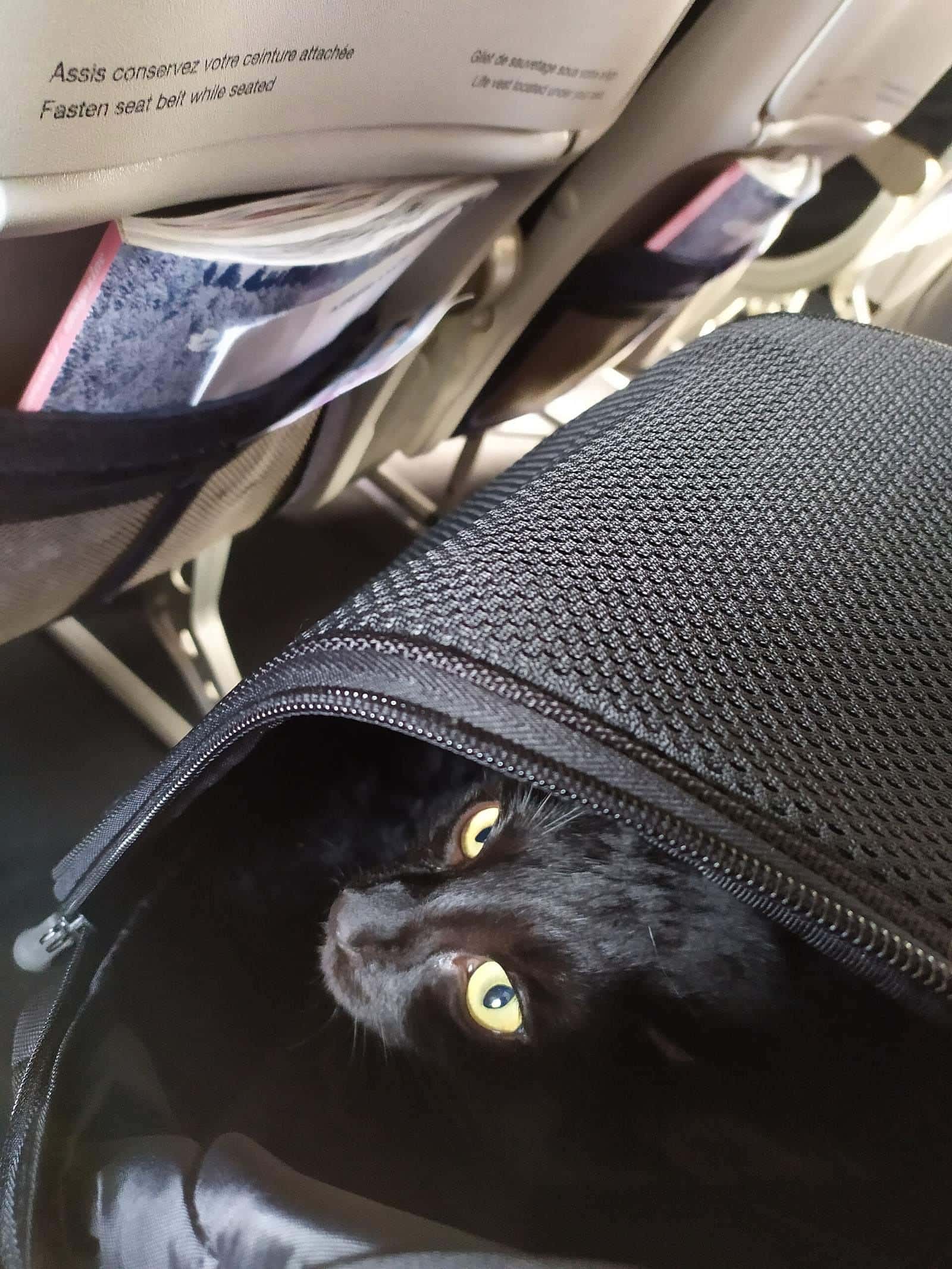
Australia’s rules are built around one idea: keep out diseases such as rabies that the country doesn’t have. That is why the process is long, paper-heavy and unforgiving of small mistakes. The good news is that it is predictable. If you know which group your country is in and start early, you can plan every step.
Step 1: find your country group
DAFF sorts approved countries into three groups.
Group 1
New Zealand, Norfolk Island and the Cocos (Keeling) Islands. Each has its own step-by-step guide. DAFF does not accept dog imports from Cocos (Keeling) Islands, only cats.
Group 2
American Samoa, Bahrain, Barbados, Christmas Island, Cook Islands, Falkland Islands, Fiji, French Polynesia, Guam, Hawaii, Iceland, Japan, Kiribati, Mauritius, Micronesia, Nauru, New Caledonia, Niue, Palau, Papua New Guinea, Samoa, Singapore, Solomon Islands, Tonga, Tuvalu, Vanuatu, and Wallis and Futuna.
Group 2 pets need an identity verification by the competent authority. A 180-day residency period applies to pets that haven’t lived in the Group 2 country since birth or since import from Australia. DAFF says the import permit is valid for 12 months and quarantine is generally a minimum of 10 days.
Group 3
Countries where rabies is present but well controlled. The list includes the United Kingdom, Ireland, most EU countries, Norway, Switzerland, the United States (excluding Guam and Hawaii), Canada, Argentina, Chile, Uruguay, South Africa, Israel, Kuwait, Qatar, the United Arab Emirates, Hong Kong, Macao, Taiwan, South Korea and several Caribbean islands. Read the Group 3 dog guide.
Countries not on any list
Pets cannot come directly from a non-approved country. They must live in an approved country for at least 180 consecutive days immediately before export and meet all of that country’s conditions. Many families move their pet to a Group 3 country first. Plan for the extra time and cost.
Approved but no certificate yet
DAFF notes that some approved countries do not yet have a negotiated veterinary health certificate, and pets cannot be exported from them until one is in place. At the time of writing these included several small Group 2 and Group 3 territories. Check DAFF’s guide for the current list.
Step 2: check your pet can come
- Breed. Some pure breeds and wolf hybrids are prohibited. See banned breeds.
- Health and age. DAFF warns that sick and elderly animals cope poorly with long-haul travel and quarantine, and that medication may not be possible during transport.
- Pregnancy. Dogs must not be more than 30 days pregnant, or nursing, at export.
Step 3: talk to the right people
- The competent authority in your country (the government veterinary service) tells you which vets and laboratories are approved and endorses your documents.
- A government-approved vet carries out the microchip scans, vaccinations, blood samples and treatments.
- A pet transport agent is optional but recommended by DAFF. See choosing an agent.
Step 4: follow the timeline
The order matters. For Group 3 pets the sequence is microchip, identity check, rabies vaccination, RNATT, the 180-day wait, the import permit, booking quarantine and flights, the final tests and treatments, and the endorsed health certificate. Use our timeline planner to put dates on each step.
- Key step
Now
Check your country is Group 3, check breed rules, and consider a pet transport agent
- Key step
Before the RNATT, and 180+ days before export
by 10 Jan 2027
ISO microchip scanned; optional identity check by an official government vet
Identity check done first allows a minimum 10-day quarantine.
- Vet
3–4 weeks before the RNATT (first vaccination)
Rabies vaccination (given at 84+ days old), kept valid until export
- Key step
RNATT blood sample window
10 July 2026 – 11 Jan 2027
Rabies neutralising antibody titre test (RNATT). Result must be 0.5 IU/ml or more
Export can be no sooner than 180 days after the sample arrives at the laboratory. Aim early in the window to allow for retests.
- Key step
After the RNATT declaration
Apply and pay for the import permit in BICON
DAFF says most permits are issued in 20–40 business days; some take up to 123.
- Travel
After the permit is issued
Book Mickleham post-entry quarantine and flights into Melbourne
- Vet
12 months to 14 days before export
10 July 2026 – 26 June 2027
Leptospira Canicola vaccination booster (or test negative within 45 days instead)
- Vet
Within 45 days of export
26 May 2027 – 10 July 2027
Leishmania infantum blood test (IFAT or ELISA)
- Vet
30+ days before export
by 10 June 2027
Start external parasite (flea and tick) treatment and keep it effective until export
- Vet
Internal parasite treatment 1
26 May 2027 – 21 June 2027
First nematode and cestode treatment (within 45 days, 14+ days before the second)
- Vet
Internal parasite treatment 2
5 July 2027 – 10 July 2027
Second treatment within 5 days of export (can be at the final vet visit)
- Key step
Within 5 days of export
5 July 2027 – 10 July 2027
Final vet check, health certificate completed and endorsed by an official government vet
- Travel
Export day
10 July 2027
Fly as manifested cargo in an IATA-approved crate, direct to Melbourne Airport
- Travel
Earliest release (min. 10 days)
21 July 2027
Minimum 10-day stay at Mickleham, Victoria. Longer if any issue is found
Based on DAFF’s published step-by-step guides (Group 3 dog guide for the vet steps). Cats and some countries have different tests. Your import permit sets the exact conditions. This is general information, not veterinary advice.
Step 5: the import permit
You apply through DAFF’s Biosecurity Import Conditions system (BICON). Group 3 applications must include the RNATT laboratory report and the RNATT declaration endorsed by an official government vet. Pay in full when you apply. DAFF says most permits are issued in 20 to 40 business days and some take up to 123, and that applying doesn’t guarantee a permit. A Group 3 permit is valid until the RNATT expires, 12 months from the blood sample date.
The documents that travel with your pet
DAFF’s Group 3 dog guide lists what must arrive with your pet:
- the valid import permit;
- the original veterinary health certificate, with wet-ink stamps on every page;
- laboratory reports and vaccination certificates for each requirement;
- the RNATT declaration.
Keep copies of everything.
Document checklist
0 of 5 done
Ticks are saved in this browser only.
Costs and timing
There is no single price. You will pay DAFF permit and quarantine fees, vet and lab fees, endorsement fees, a crate, freight and any agent fees. Get quotes early. Timing is driven by the 180-day wait (Group 3) and the permit, so start at least 6 months ahead and preferably more.
Guides in this section
Step-by-step
Bringing a dog from a Group 3 country
The full DAFF process for dogs from Group 3 countries like the UK, USA, Canada and EU: microchip, identity check, rabies test, permit, vet tests and quarantine.
Read · 4 min
Rabies requirements
Rabies vaccination and the RNATT
Why Group 3 pets need a rabies antibody test (RNATT), the 180-day wait, timing, the 0.5 IU/ml result and how to avoid restarting the clock.
Read · 4 min
Interactive planner
Pet import timeline planner
Work backwards from your pet’s export date: an interactive planner showing when each DAFF step, test and treatment is due for Group 2 and Group 3 imports.
Read · 3 min

Getting help
Choosing a pet transport agent
Do you need a pet transport agent to bring a dog or cat to Australia? What agents do, how to find one through IPATA, questions to ask and red flags.
Read · 4 min
Breed rules
Dog breeds banned from import to Australia
Which dog breeds and wolf hybrids cannot be imported to Australia, which laws apply, how mixed breeds are treated, and who to contact.
Read · 3 min
Frequently asked questions
Is my country approved for pet imports to Australia?
Check DAFF’s lists of Group 1, 2 and 3 countries. If your country is not listed, your pet must live in an approved country for at least 180 days and meet its conditions before export.
Can my pet fly in the cabin to Australia?
No. DAFF requires imported cats and dogs to travel as manifested cargo in an IATA-approved crate, arriving directly at Melbourne International Airport.
Do assistance dogs follow different rules?
Assistance dogs are covered in DAFF’s dog guides and may have specific arrangements. Contact DAFF early and follow your permit conditions.
Can I bring a pregnant dog?
DAFF’s Group 3 guide says a dog must not be more than 30 days pregnant or nursing puppies when exported, and there are strict mating and testing timeframes.
Sources and further reading
Facts on this page were checked against these primary and official sources. Conditions change — confirm before you travel or buy.
- Step-by-step guides to bring your cat or dog to Australia — DAFF
- Import permits for cats and dogs coming to Australia — DAFF
- How to bring your dog to Australia from a Group 3 country — Department of Agriculture, Fisheries and Forestry (DAFF)
- IPATA (International Pet and Animal Transportation Association) — IPATA