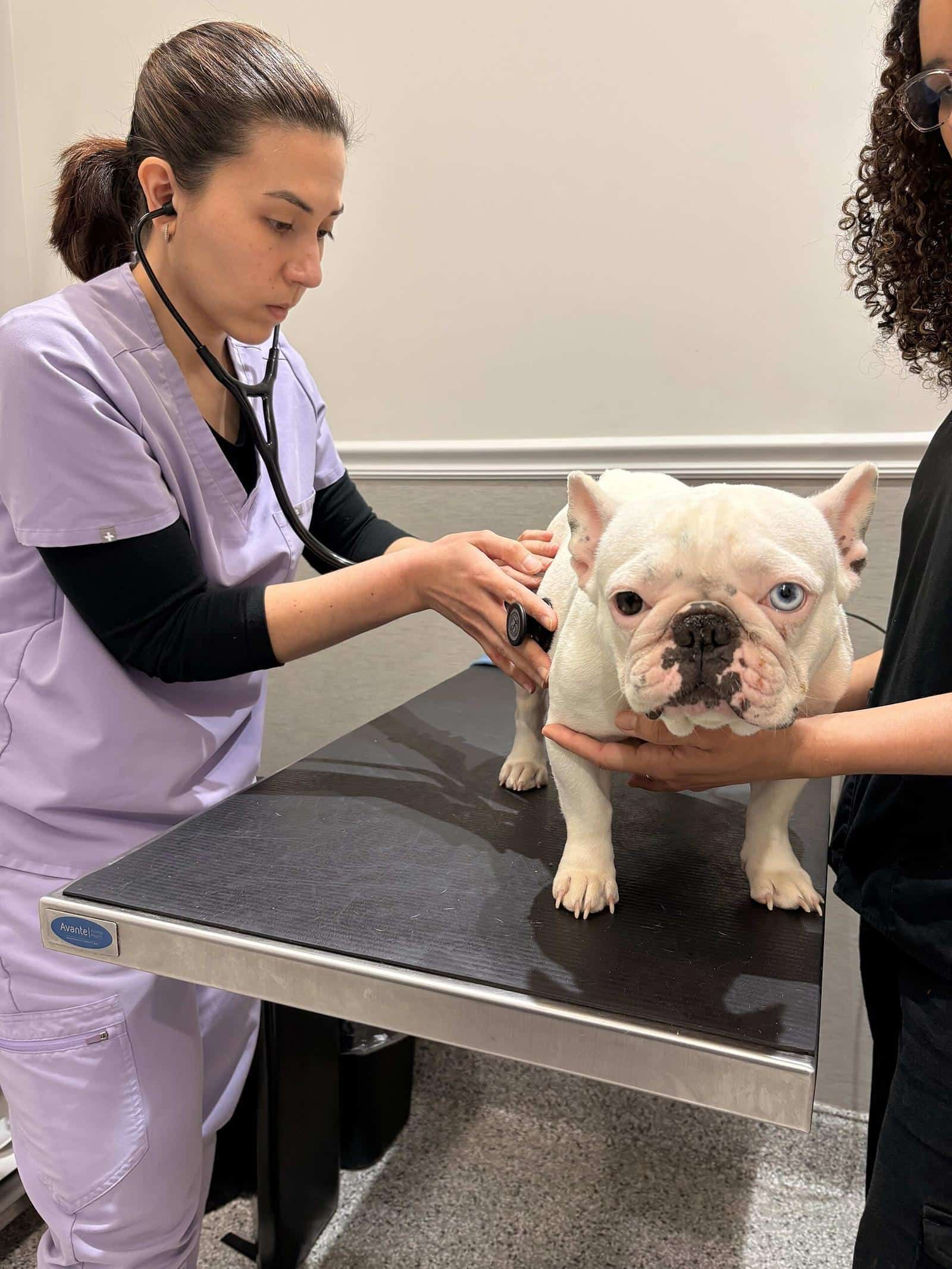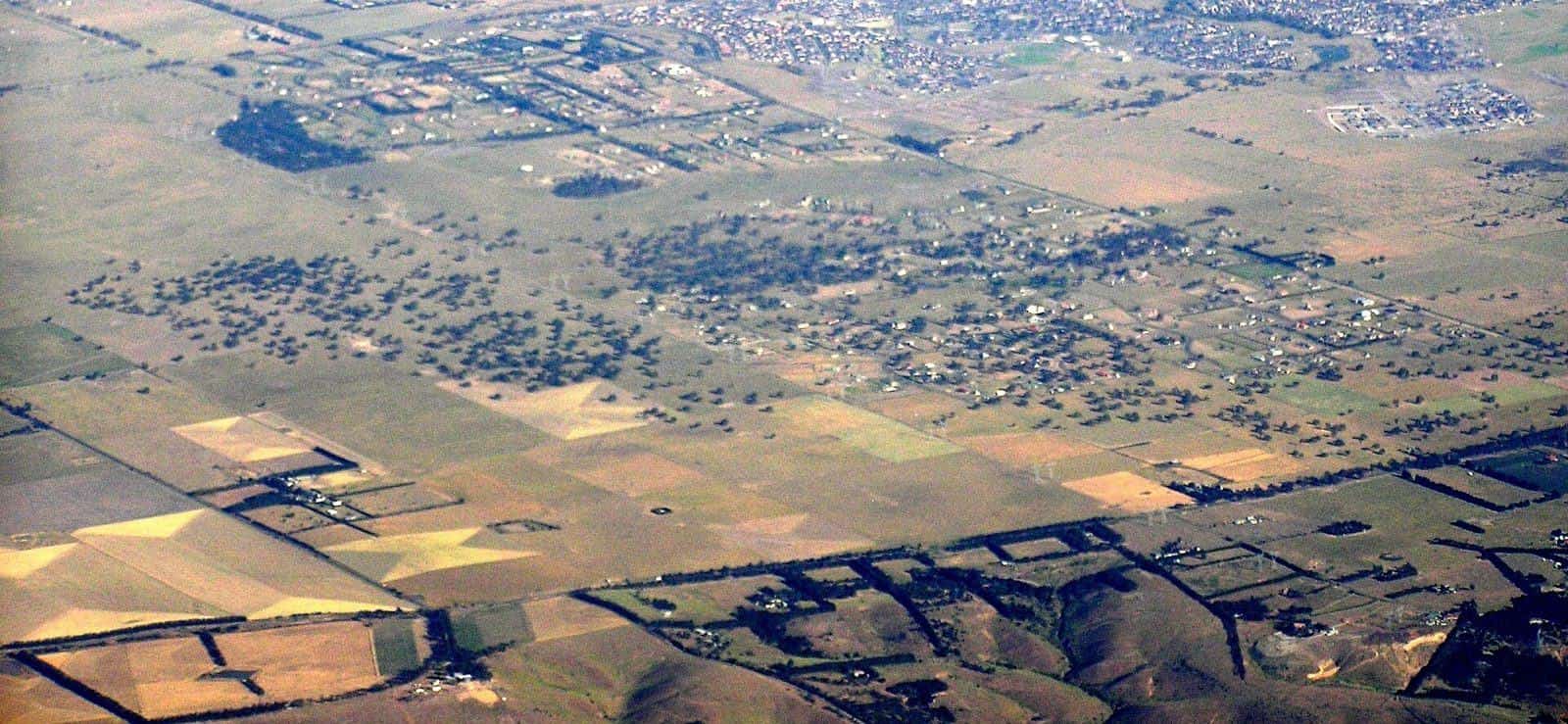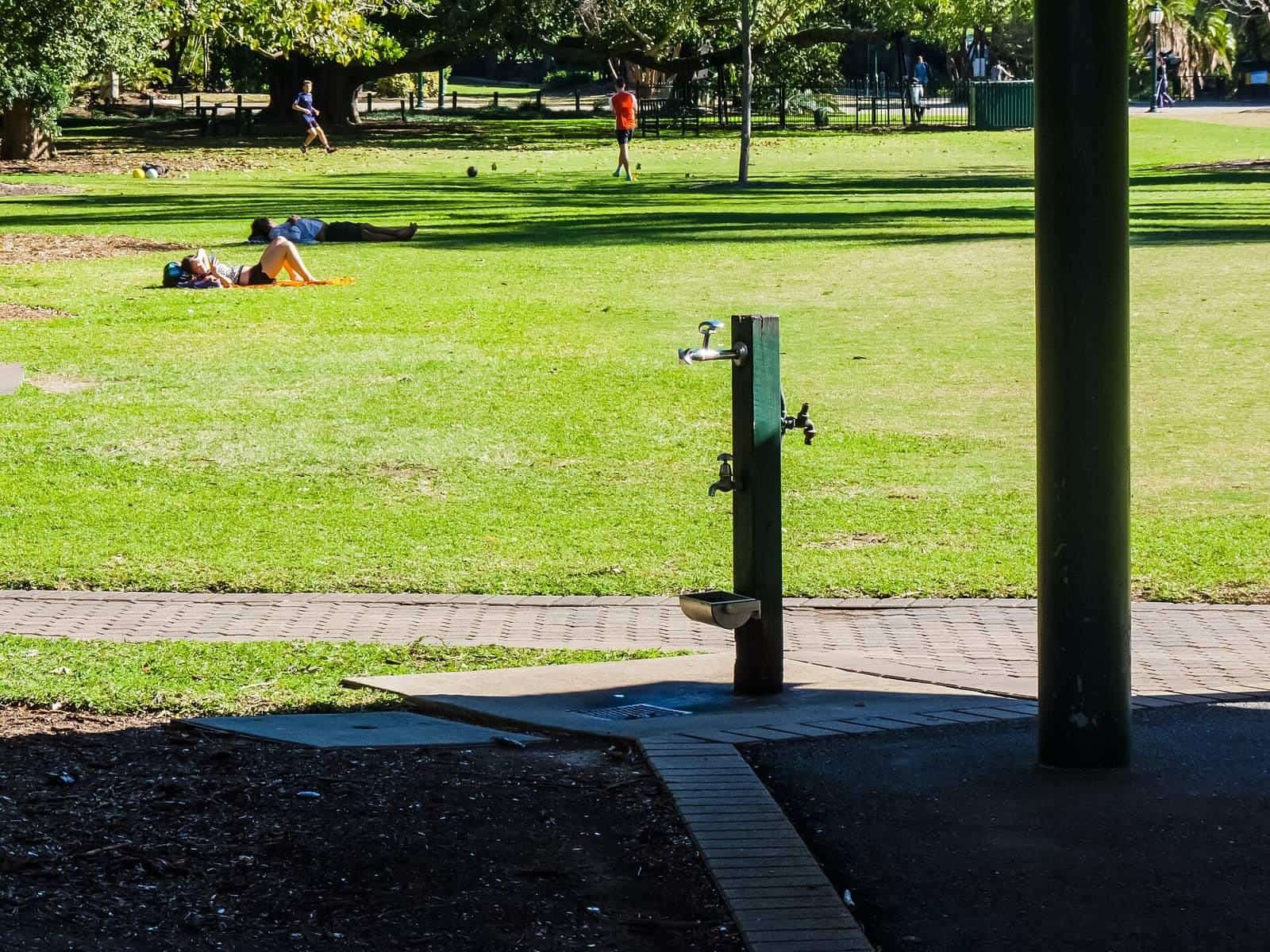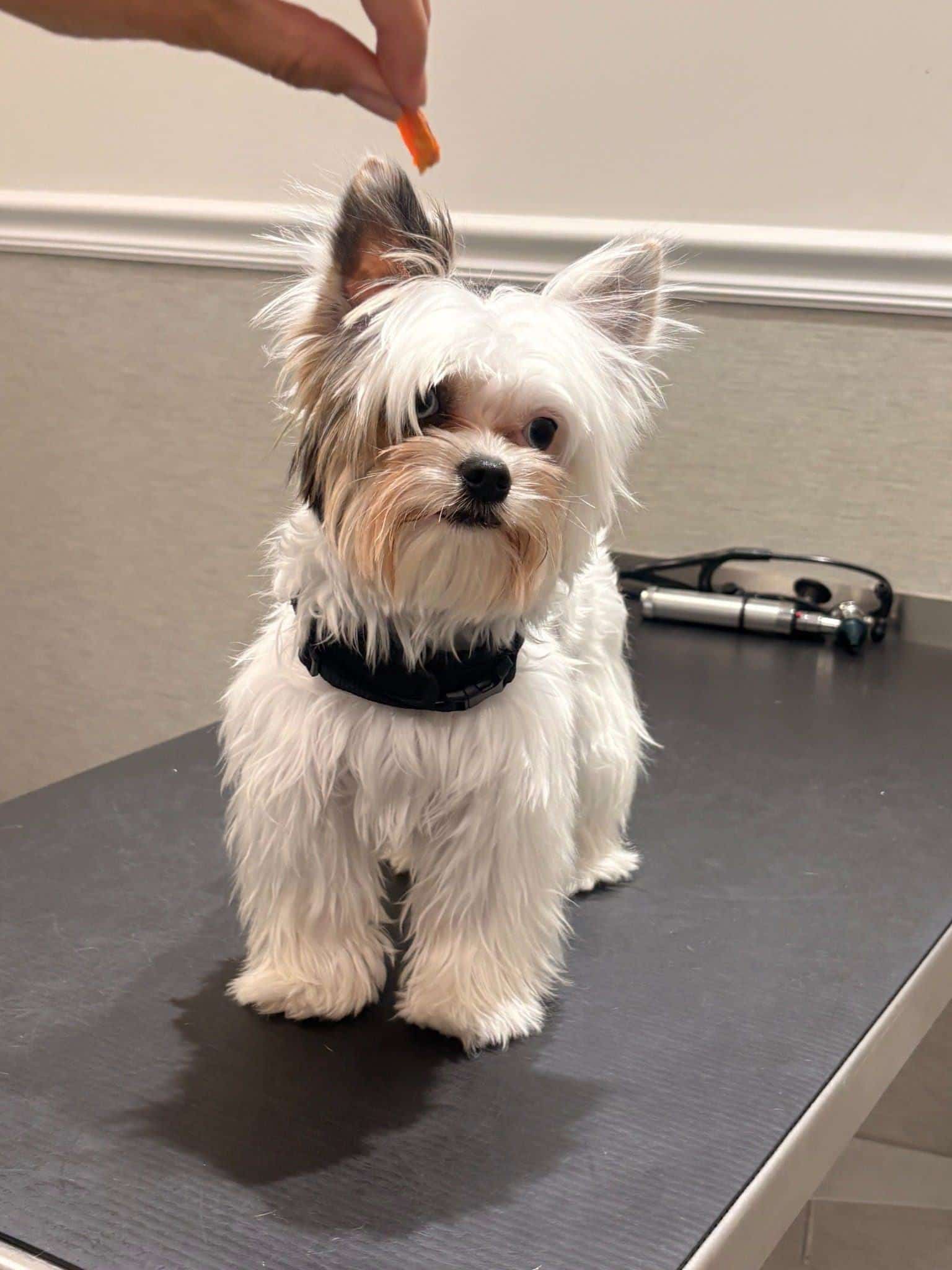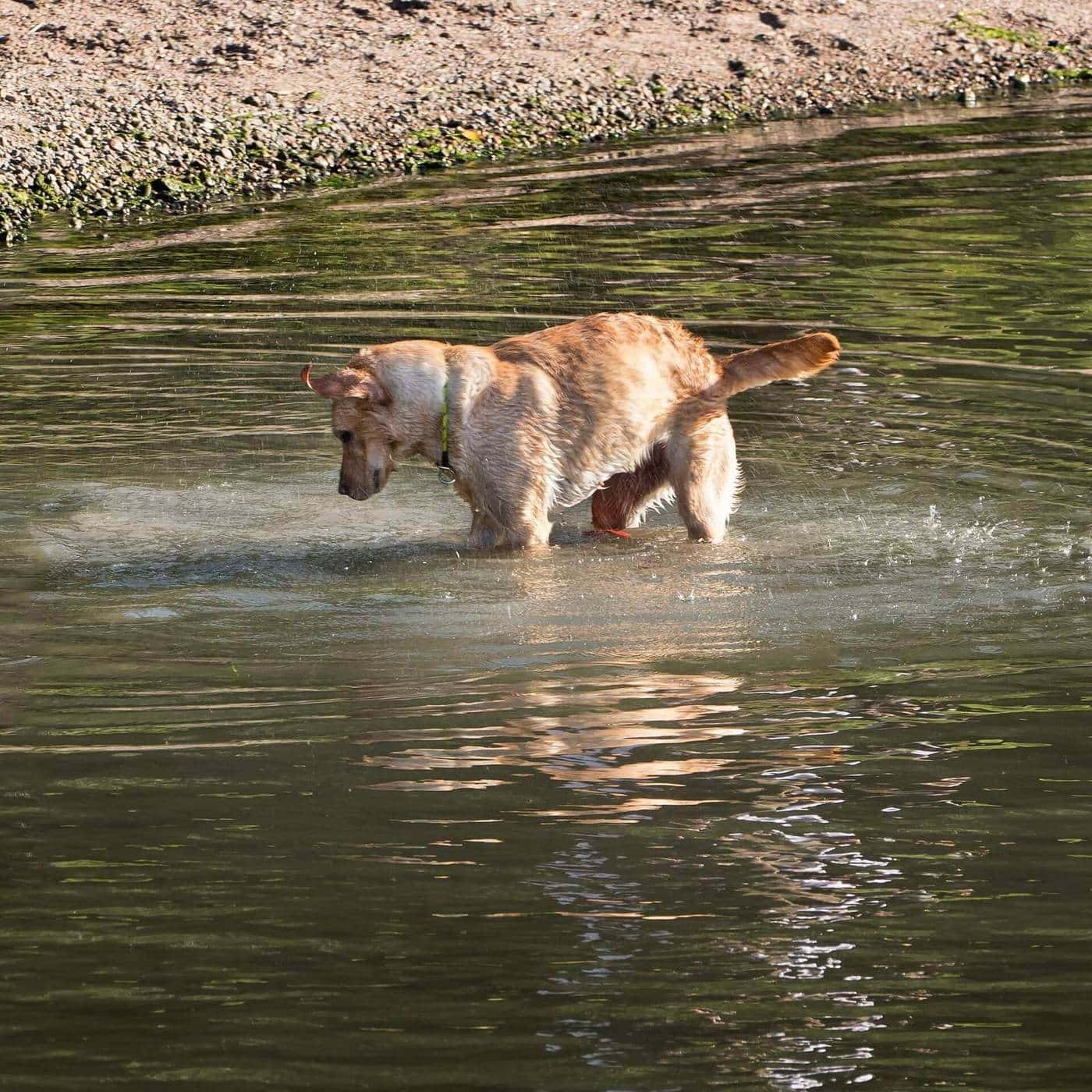
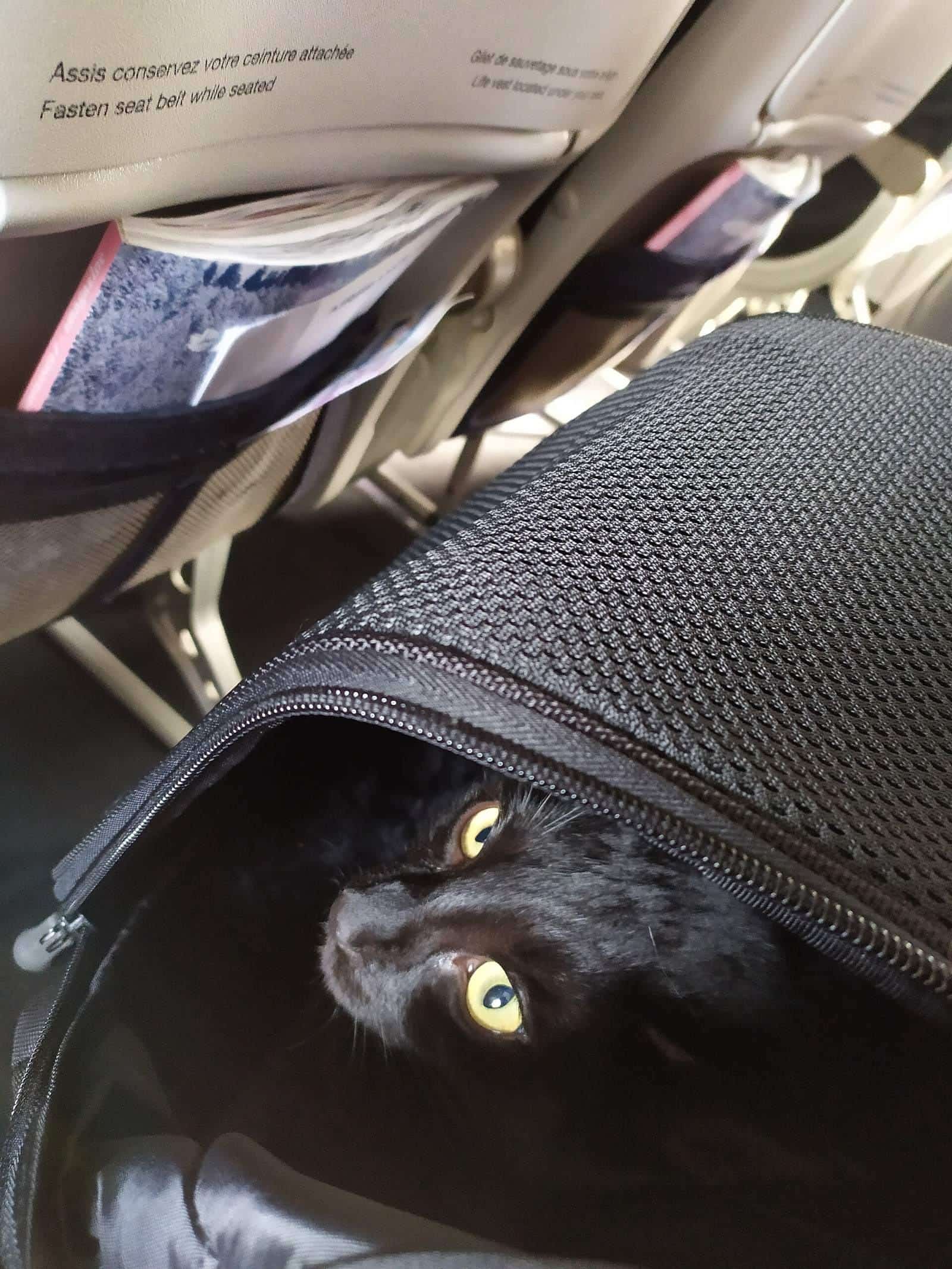
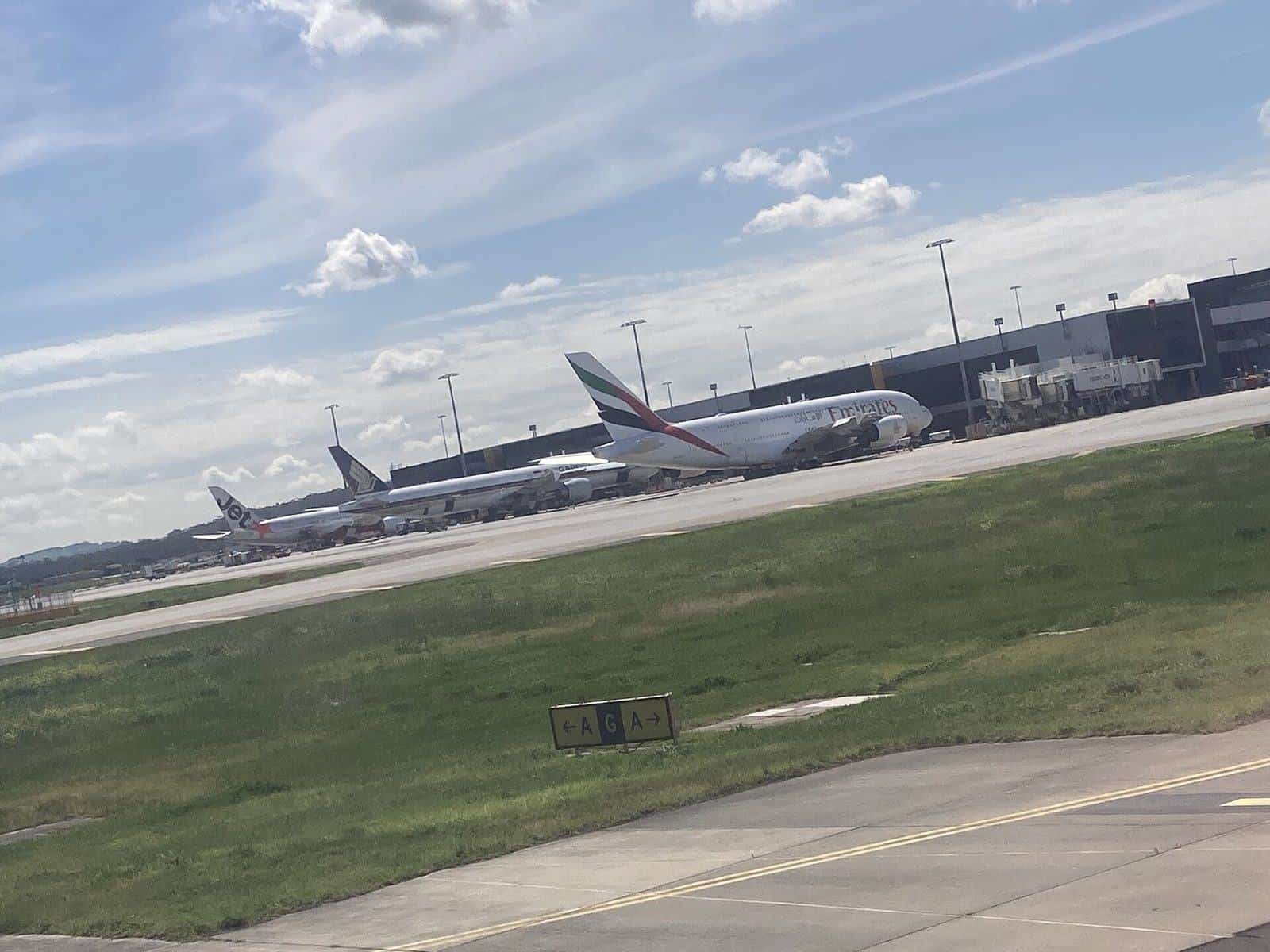
For nearly six years, the original Dog Walks visited, walked and photographed pets during their stay in Australian quarantine, and kept their owners in the loop. Visits ended in 2014, and today every imported cat and dog passes through one government facility in Melbourne. What hasn’t changed is how daunting the process feels. This guide explains it in plain English, step by step, with links to the official sources at every turn.
How pet import works, in one minute
Australia is free from many animal diseases found elsewhere, including rabies. To protect that status, DAFF only lets cats and dogs in from approved countries, under conditions that depend on where they come from:
- Group 1: New Zealand, Norfolk Island and the Cocos (Keeling) Islands (cats only from Cocos). These have their own simpler conditions.
- Group 2: rabies-free or low-risk places such as Japan, Singapore, Fiji, Hawaii and Guam. Pets need an identity verification and an import permit, and generally stay a minimum of 10 days in quarantine.
- Group 3: countries where rabies is present but well controlled, including the UK, Ireland, most of Europe, the USA (excluding Guam and Hawaii), Canada, South Africa, the UAE, Hong Kong and South Korea. Pets need a rabies vaccination, a rabies antibody blood test (RNATT), a 180-day wait and a series of tests and treatments.
If your country isn’t on any list, your pet must live in an approved country for at least 180 days and meet that country’s conditions before flying to Australia.
6+ months
Minimum preparation
DAFF’s advice
180 days
Group 3 wait
After the RNATT sample reaches the lab
10–30 days
Minimum quarantine
At Mickleham, Melbourne
The journey at a glance
- Check eligibility. Confirm your country group, your pet’s breed (some are banned) and its health. DAFF advises thinking carefully before moving sick or elderly animals.
- Microchip and identity check. Your pet needs a working ISO microchip. For Group 3 pets, an optional identity check by an official government vet before the rabies test cuts minimum quarantine from 30 days to 10.
- Rabies vaccination and RNATT (Group 3). A blood test shows your pet has responded to the vaccine. Export can only happen at least 180 days after the sample reaches the lab.
- Import permit. Apply through DAFF’s BICON system. DAFF says most permits are issued in 20 to 40 business days, but some take up to 123.
- Book quarantine and flights. Once you have a permit, book a place at Mickleham and a flight that lands directly at Melbourne International Airport.
- Final tests and treatments. Parasite treatments and disease tests must be done in tight windows before export, then a government vet endorses the health certificate within 5 days of departure.
- Fly and quarantine. Your pet travels as manifested cargo in an IATA-approved crate. DAFF officers collect it on arrival and take it to Mickleham.
- Settle in. Register your pet with your local council, protect it from paralysis ticks and other local hazards, and find your new local walks.
Guides on this site
- Moving pets to Australia: the full import process, country groups and documents.
- Dogs from Group 3 countries: the detailed vet steps for dogs from the UK, Europe, North America and more.
- Rabies vaccination and the RNATT: the step that most often causes delays.
- Timeline planner: work backwards from your export date.
- Mickleham quarantine and flying your pet.
- Settling in: registration, microchips, paralysis ticks and finding dog-friendly walks.
Why we built this guide
The old Dog Walks website began as a quarantine visiting service and ended as a guide to migrating with pets, written by someone who had brought their own dog from the UK. This rebuild keeps that spirit: practical, plain-English help for families going through a stressful move. We are not a government agency, vet or pet transport agent. We read the official guidance, explain it and link to it, so you can go to your vet and agent with the right questions.
Mistakes that cause delays
DAFF’s guides repeat the same warnings, and they are worth taking seriously:
- Microchip errors. If the microchip number is missing or wrong on any document, or the chip cannot be read, your pet cannot be imported. Documents with corrected microchip numbers are not accepted.
- Wrong order. The identity check must happen before the RNATT, and the rabies vaccine must be given before the RNATT.
- Letting the rabies vaccination lapse. If it lapses, you must revaccinate, retest and restart the 180-day wait.
- Using the wrong test type. Some disease tests have to use specific methods, and rapid or snap versions are not accepted.
- Missing time windows. Many treatments must happen within a set number of days before export, counted from the export date in the country of export.
- Arriving in the wrong city. Pets must land directly at Melbourne. Domestic transfers are not allowed.
Your first five steps
0 of 5 done
Ticks are saved in this browser only.
Costs
DAFF charges fees for permit assessment and for quarantine at Mickleham, and you also pay for vet visits, laboratory tests, government endorsement, the crate, flights and any agent. Fees change, so we don’t quote them. Check DAFF’s current fees and charges pages and get written quotes from agents and vets.
After arrival
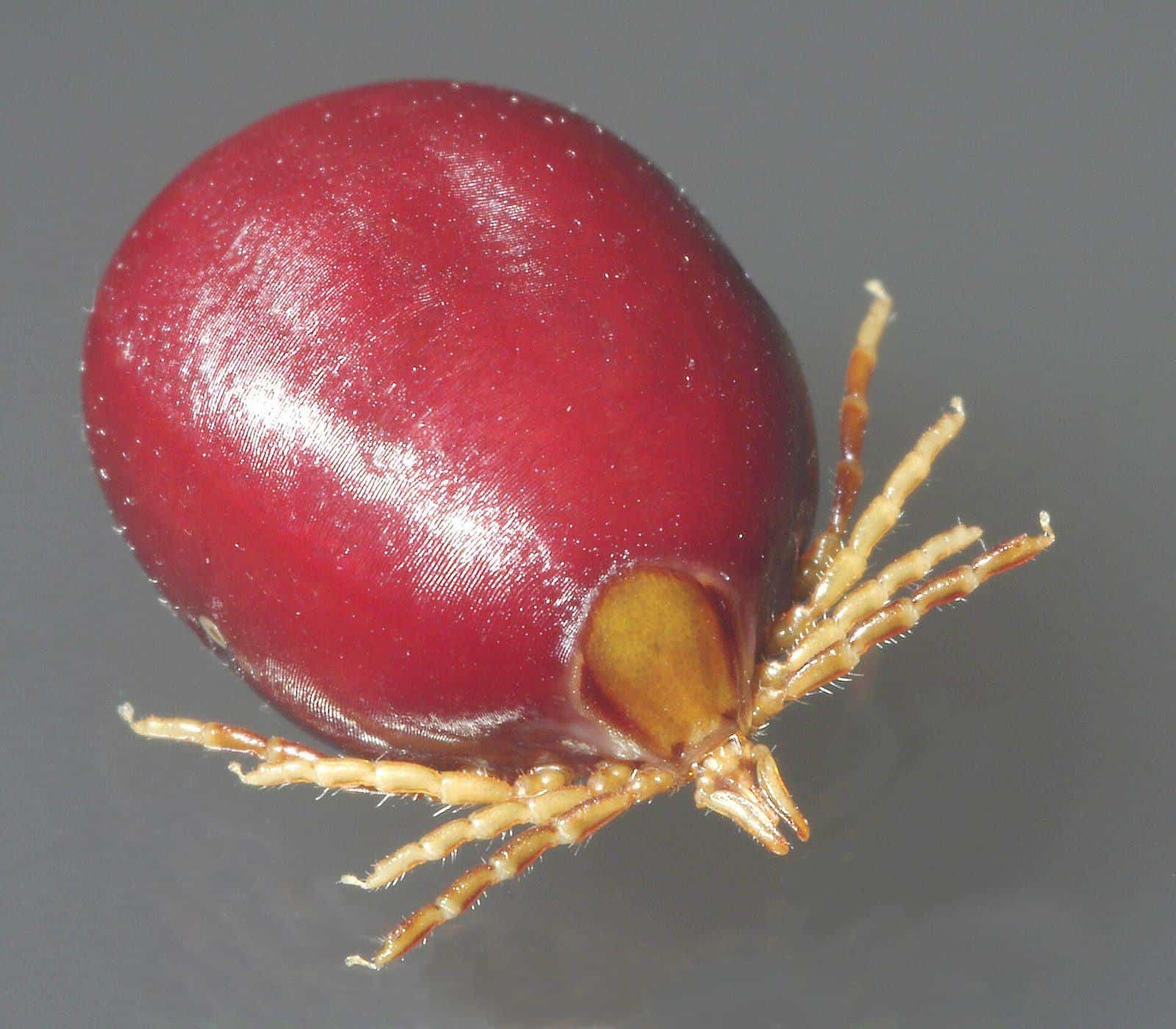
Once your pet is released, you are responsible for local requirements, such as registering it with your council. Read our settling-in guides, including the dangers of paralysis ticks on the east coast.