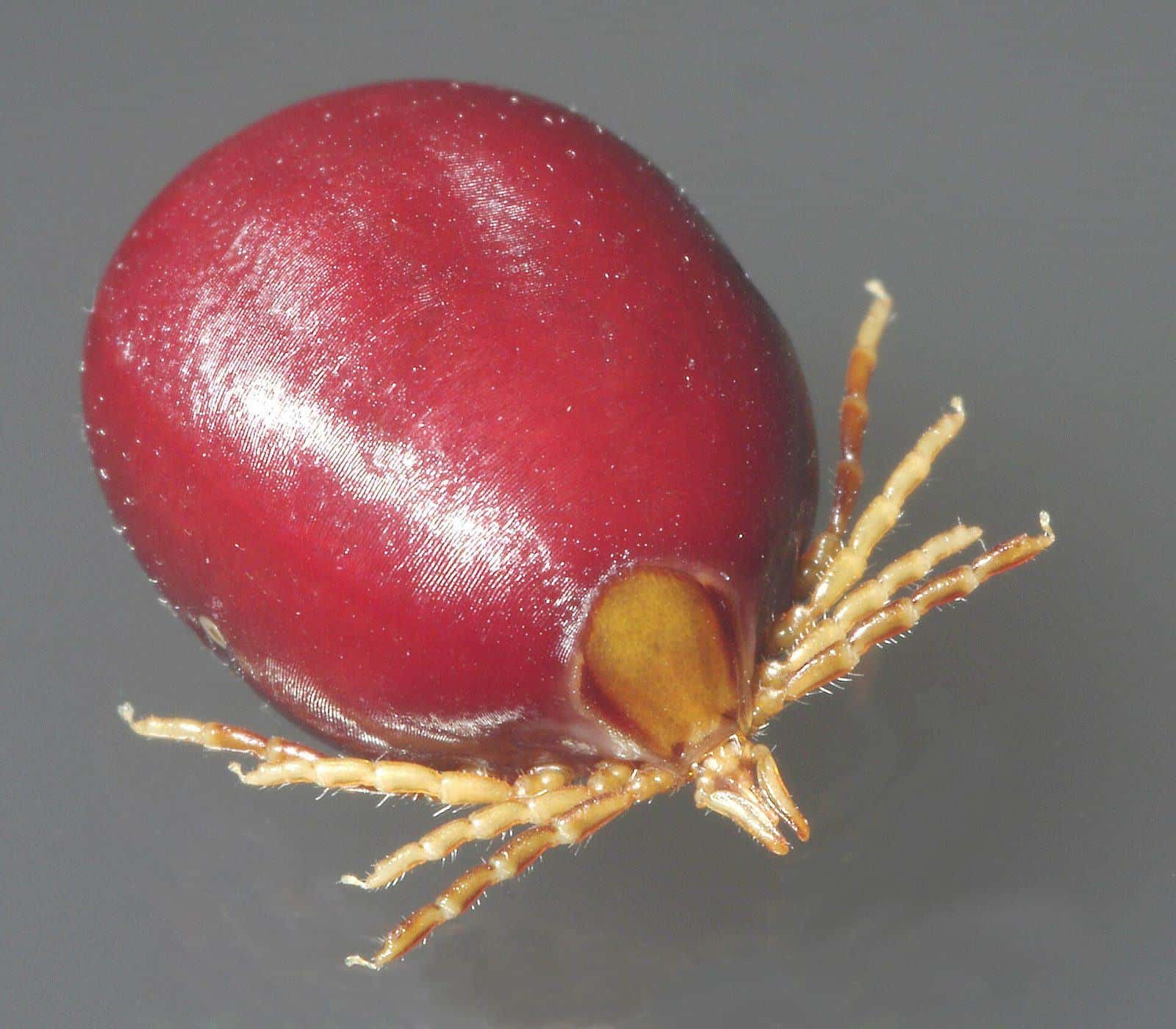
Many countries have ticks, but few have one like Ixodes holocyclus, the Australian paralysis tick. RSPCA NSW calls tick paralysis one of the most common preventable causes of death in dogs and cats along the east coast. For families arriving from overseas, it can be a frightening surprise. The good news is that prevention, daily checks and fast action make a huge difference.
Qld–Vic
Range
Eastern seaboard
Spring–autumn
Peak season
Year-round in the north
Urgent
Vet response
Signs can worsen fast
Where and when
The RSPCA says the paralysis tick is generally found on the eastern seaboard from North Queensland down to Victoria, and in some inland areas with suitable habitat. It lives in bushland, scrub and long grass, and its natural hosts are native animals, including bandicoots and possums. Pets can pick up ticks at home, in parks and on coastal or bush holidays.
In northern areas ticks can be found all year. In more southern areas the season generally starts in spring and finishes in late autumn, though it varies.
How it harms pets
When a paralysis tick feeds, it releases a toxin that interferes with the signals between nerves and muscles. RSPCA ACT explains that it can take time for signs to develop, but once the toxin acts, animals can become very ill, and even die, quickly.
Signs to watch for
The RSPCA and RSPCA NSW list these signs:
- wobbliness or weakness in the back legs, or being unable to get up;
- a change in the sound of the bark or meow;
- retching, gagging, coughing (sometimes moist) or vomiting;
- excessive drooling;
- loss of appetite;
- weakness spreading to the front legs;
- difficulty breathing, rapid breathing or grunting;
- any other unusual behaviour.
Daily tick searches
The RSPCA recommends searching your pet every day in tick areas, even if you use a preventive product. Run your fingertips slowly over the whole body, paying special attention to:
- the head, face, ears and neck;
- under the collar;
- between the toes and under the legs;
- the chest, armpits and groin;
- around the tail.
Ticks can be small when they first attach and grey-blue when engorged. Look for crater-like marks where a tick has been.
Removing a tick
RSPCA ACT suggests using a tick hook, twister or key, or grasping the tick at skin level with fine tweezers and pulling steadily, removing the mouthparts. Keep the tick in a sealed bag or jar so your vet can identify it. Pets can still develop signs after removal, so watch closely and call your vet.
Prevention
- Use a tick prevention product recommended by your vet, and follow the label for dosing intervals.
- Keep grass short and clear leaf litter and scrub where you can.
- Avoid bushland and long grass in peak season, or check your pet thoroughly afterwards.
- Clip long coats in summer to make searches easier.
Cats
Cats can also get tick paralysis. Use only products made for cats, as some dog tick products are toxic to cats.
Tick routine
0 of 5 done
Ticks are saved in this browser only.
A note for new arrivals
If you came from a country without this tick, ask your local vet about the tick risk where you live. Risk varies a lot from place to place, and your vet will know the local picture.
Other ticks and tick-borne disease
The paralysis tick is not the only tick in Australia. The brown dog tick is found across much of northern and inland Australia. In 2020, the disease ehrlichiosis, caused by the bacterium Ehrlichia canis and spread by the brown dog tick, was detected in dogs in Western Australia and later in the Northern Territory, South Australia and Queensland. Signs include fever, lethargy, loss of appetite, bleeding and weight loss. Talk to your vet about a tick product that covers brown dog ticks if you live in or travel to these areas.
Doing a daily tick search
Run your fingers slowly over your pet's whole body every day, especially in tick season and after walks in bush or long grass. Pay attention to the head, neck, ears, lips, between the toes and under the collar, as most ticks are found on the front half of the body. Long-coated breeds need extra time. Many owners make it part of the evening routine.
Removing a tick
If you find a tick, remove it promptly with a tick removal tool or fine tweezers, gripping close to the skin. Keep your pet calm and watch closely for signs of paralysis over the next few days, because signs can still develop after the tick is removed. If you see any signs, call your vet straight away.
Keeping pets cool if affected
Pets with tick paralysis can struggle to breathe and swallow. Do not give food or water if your pet is showing signs, keep them cool and quiet, and go to a vet. Vets treat tick paralysis with tick antiserum and supportive care.
Frequently asked questions
Where are paralysis ticks found?
The RSPCA says the paralysis tick is generally found on the eastern seaboard from North Queensland to Victoria, and in some inland areas with suitable habitat, especially bushland and scrub.
When is tick season?
In the north, paralysis ticks may be found all year. Further south, the RSPCA says the season generally runs from spring to late autumn, but it varies and can start early after a mild winter.
What are the first signs of tick paralysis?
Common early signs include wobbliness or weakness in the back legs, a change in the sound of the bark or meow, and retching, coughing or vomiting. See a vet immediately.
Should I remove a tick myself?
The RSPCA advises searching for and removing ticks as quickly as possible, then taking your pet to the vet immediately if there are any signs. RSPCA ACT notes pets can still develop signs after the tick is removed.
Sources and further reading
Facts on this page were checked against these primary and official sources. Conditions change — confirm before you travel or buy.
- How can I protect my dog or cat from tick paralysis? — RSPCA Knowledgebase
- How to protect your pets from deadly paralysis ticks this season — RSPCA NSW
- Getting ticked off, a paralysing problem for pets — RSPCA ACT
- Ehrlichiosis — Australian Government (Outbreak)