Arriving in Australia is the end of the import process and the start of a new life for your pet. Australia’s rules for pet ownership are set mostly by state governments and local councils, so the details depend on where you live. This hub covers the essentials, and the guides go deeper.
Registration and microchips
Every state and territory requires dogs to be identified and registered, but the rules differ:
- NSW: dogs and cats must be microchipped and registered on the NSW Pet Registry. Service NSW says this applies from 12 weeks of age or on transfer of ownership. Extra fees apply for dogs not desexed by 6 months and cats not desexed by 4 months.
- Victoria: Agriculture Victoria says all dogs and cats aged 3 months and over must be registered with their local council, and must be microchipped before their first registration.
- Other states and territories: check your council or the state government website.
Read our registration guide.
Paralysis ticks
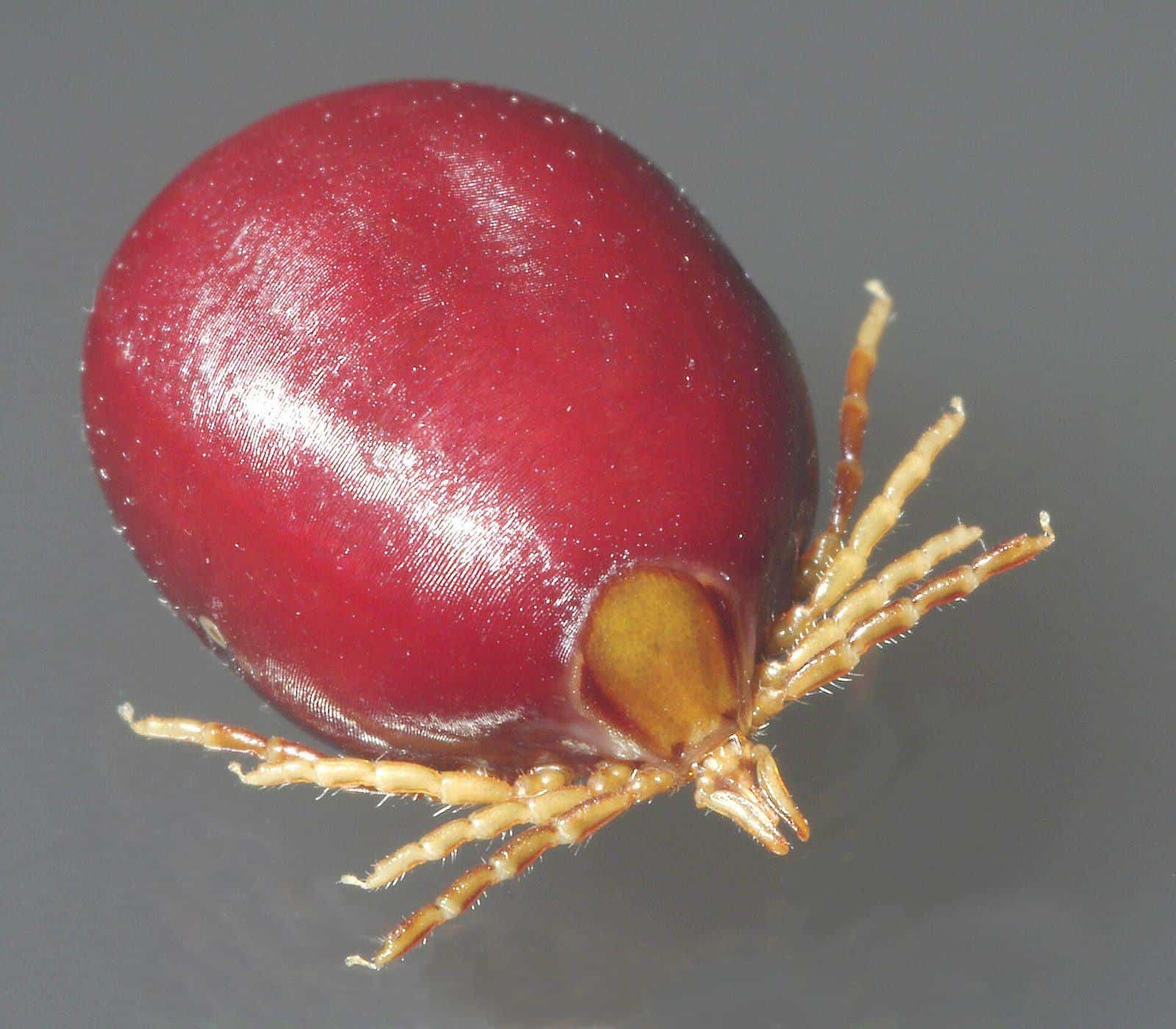
The RSPCA says the paralysis tick, Ixodes holocyclus, is generally found along the eastern seaboard from North Queensland to Victoria, and that tick paralysis is a serious and potentially fatal condition. New arrivals may never have seen this tick. Learn the signs and talk to your vet about prevention. Read our paralysis tick guide.
12 weeks
NSW registration
Or on transfer of ownership
3 months
Victoria registration
Council registration age
East coast
Paralysis tick
Qld to Victoria
Other local hazards
- Heat. Australian summers can be very hot. Walk early or late, avoid hot pavement, and always carry water.
- Snakes. Australia has venomous snakes, especially active in warmer months. Keep dogs on lead in long grass and bushland, and go straight to a vet if you suspect a bite.
- Cane toads in parts of northern and eastern Australia are toxic to dogs that mouth them.
- Baits. Some rural and national park areas use poison baits for pest animals. Obey signs, and remember that dogs are banned from most national parks.
Off-leash areas and dog walks
Councils designate off-leash parks, sportsgrounds and beaches, often with time limits. Elsewhere, dogs must be on a lead. Look for your council’s off-leash map and respect the signs. Shared paths and beaches can be busy, so keep your dog under effective control. Many councils also require you to carry bags and pick up after your dog.
Finding a vet
Register with a local vet soon after release. Bring your pet’s import paperwork and vaccination history, and ask about:
- tick, flea and heartworm prevention suited to your area;
- vaccinations recommended locally;
- desexing, if needed, and local fee rules.
First month checklist
0 of 6 done
Ticks are saved in this browser only.
Pet insurance
Some owners take out pet insurance. Policies vary widely, so read the product disclosure statement and check waiting periods and exclusions. We don’t recommend specific policies.
Guides in this section
Guides in this section

Settling in
Registering your pet in Australia
How pet registration and microchip records work in Australia after import: NSW Pet Registry, Victorian council registration, desexing fees and what to bring.
Read · 4 min
Health
Paralysis ticks and your dog
A guide for new arrivals to the Australian paralysis tick: where it lives, when it is active, signs of tick paralysis, prevention, tick searches and what to do.
Read · 4 min
Frequently asked questions
Do I need pet insurance in Australia?
It is not compulsory. Many owners take out cover because vet care for emergencies such as tick paralysis or snake bite can be expensive. Compare the exclusions and waiting periods carefully.
Do I have to register my imported dog?
Yes. Registration is handled by states and local councils. In NSW, dogs and cats go on the NSW Pet Registry; in Victoria, dogs and cats aged 3 months and over must be registered with their council. Check your council’s rules.
Will my pet’s overseas microchip work in Australia?
ISO-compliant microchips can be read by standard scanners. Make sure the chip number is recorded on the relevant Australian registry with your current contact details.
What is the biggest health risk for dogs new to Australia?
On the east coast, the paralysis tick is a major risk. RSPCA NSW describes tick paralysis as one of the most common preventable causes of death in dogs and cats along the east coast. Ask your vet about prevention.
Where can my dog go off-leash?
Only in designated off-leash areas, which are set by local councils. Most councils publish maps of off-leash parks and beaches.
Sources and further reading
Facts on this page were checked against these primary and official sources. Conditions change — confirm before you travel or buy.
- Register your dog or cat in NSW — Service NSW
- Microchipping — NSW Office of Local Government
- Microchipping of dogs and cats — Agriculture Victoria
- How can I protect my dog or cat from tick paralysis? — RSPCA Knowledgebase
- How to protect your pets from deadly paralysis ticks this season — RSPCA NSW